
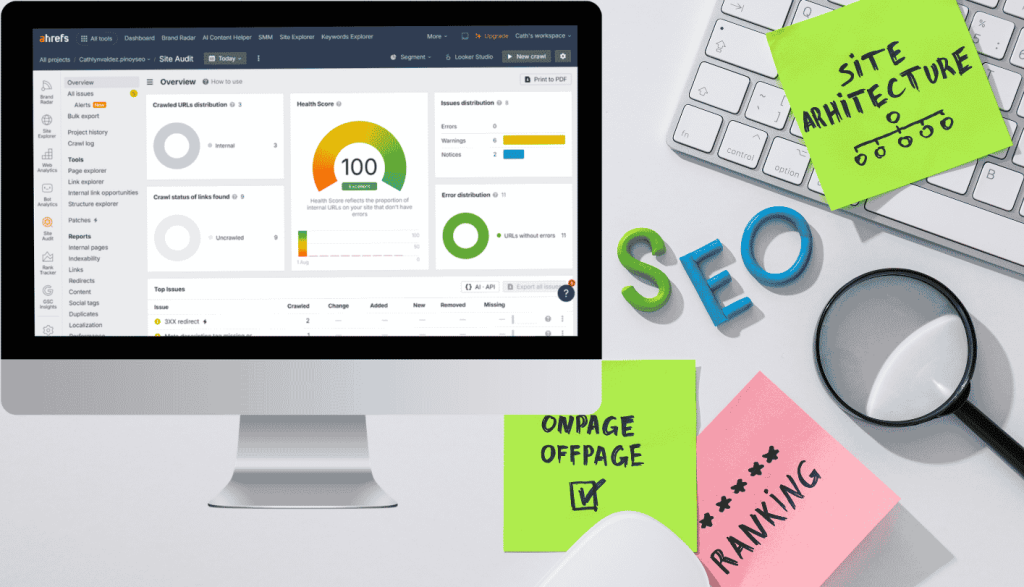
Imagine opening a state-of-the-art retail store with high-quality products, competitive prices, and exceptional customer service—but placing it deep in the middle of a desert with no road signs leading to it.
That is precisely what running a website without Search Engine Optimization (SEO) feels like.
No matter how impressive your products, services, or website design may be, they won’t drive revenue if prospective customers can’t find you online. This guide explores what SEO actually is, how it functions behind the scenes, and why it remains an indispensable investment for business growth.
What Is SEO?
SEO (Search Engine Optimization) is the practice of enhancing your website to increase its visibility when people search for products, services, or information related to your business on engines like Google, Bing, or Yahoo.
Unlike paid advertising (like Google Ads or social media sponsored posts), organic SEO traffic is entirely free. When your site ranks at the top of organic search results, you don’t pay a fee every time someone clicks through to your site.
The Three Pillars of SEO
To rank higher in search results, search engines evaluate your site based on three foundational elements:
| SEO Pillar | What It Covers | Key Focus Areas |
| On-Page SEO | Content on your actual website pages. | Keyword integration, high-quality writing, meta descriptions, title tags, and header structure. |
| Off-Page SEO | Actions taken outside your website to build trust. | High-quality backlinks, social signals, brand mentions, and directory listings. |
| Technical SEO | The backend architecture of your site. | Page load speed, mobile-friendliness, site security (HTTPS), and XML sitemaps. |
How Do Search Engines Work?
Search engines operate through three primary phases:
- Crawling: Search engines send out automated bots (often called “spiders” or “crawlers”) to scan the internet, reading code and content on millions of web pages.
- Indexing: Once a page is crawled, the engine stores and organizes the information in a massive database, effectively building a digital library of the internet.
- Ranking: When a user types a query into a search bar, algorithms analyze thousands of factors within milliseconds to deliver the most relevant, reliable, and authoritative pages first.
5 Reasons Your Business Needs SEO
1. Organic Search Drives High-Intent Traffic
Unlike traditional push advertising (like billboards or TV ads) that interrupts people going about their day, search engine users are actively seeking solutions. When someone searches “best accountant for small businesses near me”, they already have high buying intent. Ranking for these search terms puts your business directly in front of warm leads at the exact moment they are ready to convert.
2. Builds Trust and Brand Credibility
Consumers naturally trust search engine algorithms. Landing on the first page of Google signals to users that your business is a legitimate, reputable industry leader. Conversely, if your site appears on page three or four, potential customers may assume your business is outdated or less trustworthy.
3. Delivers Sustainable, Long-Term ROI
While paid ad campaigns stop generating traffic the moment your budget runs out, a well-optimized piece of content continues to attract visitors month after month, year after year. While SEO requires an upfront investment of time and resources, its compounding return on investment (ROI) makes it one of the most cost-effective long-term marketing channels available.
4. Enhances the Overall User Experience (UX)
Modern SEO isn’t just about pleasing search algorithms—it’s about delivering an excellent experience to human users. Search engines prioritize sites that load quickly, work seamlessly on smartphones, and offer easy navigation. By optimizing for SEO, you inherently create a better, frictionless experience for your visitors.
5. Helps You Outperform Local Competitors
If two similar businesses sell the same product in the same town, the business with the optimized local SEO presence will secure the vast majority of local customers. Setting up a Google Business Profile, optimizing for location-based keywords, and gathering customer reviews ensures your business captures local search market share.
Getting Started: The First Steps to Elevating Your SEO
- Perform Keyword Research: Identify the exact phrases and questions your ideal customers are searching for using tools like Google Keyword Planner, Ahrefs, or Semrush.
- Optimize Core Site Content: Ensure every key landing page targets a primary keyword, features clear title tags, and provides comprehensive answers to user queries.
- Fix Technical Issues: Test your site speed using Google PageSpeed Insights and ensure your site displays properly on mobile devices.
- Publish Value-Driven Content: Start a business blog targeting informational questions your audience frequently asks.
SEO is not an overnight quick fix; it is a long-term strategic investment. By continually optimizing your site’s content, structure, and online authority, you build a reliable lead-generation channel that fuels sustainable business growth.